
Up Next


Back to Show
Eons
When Humans Were Prey
Season 2
Episode 8
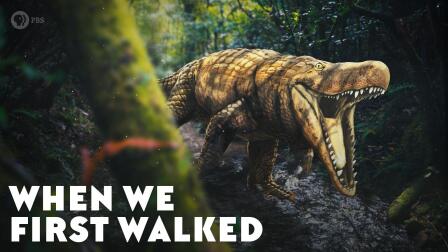
Not too long ago, our early human ancestors were under constant threat of attack from predators. And it turns out that this difficult chapter in our history may be responsible for the adaptations that allowed us to become so successful.
Support Provided By


7:54
Around 300 million years ago sails were all the rage, but we're still not sure what they were for.

10:44
During the Permian Period many tetrapods, or four-limbed vertebrates, took to life in the trees.

9:29
For millions of years after the Great Dying microbes ruled the Earth.

26:06
Life begins to rebound after the destruction of the mass extinction ending the Permian Period.

25:37
An apocalypse ended the Permian Period 252 million years ago, wiping out more than 80% of species.

25:37
The first saber-teeth and tusks evolve in the Late Permian and our ancestors, the cynodonts, appear.

25:37
An extinction in the Middle Permian decimates life, from a fossil reef to our ancient relatives.

25:37
The first herbivorous vertebrates evolve on the side of the amniote family tree leading to mammals.

25:37
Seed plants and amniotes adapt to dry climates, helping them thrive on Pangea in the Permian Period.

9:11
How did Homotherium evolve to be so successful? The answer may lie in the rise of the Tibetan plate.

10:16
The mystery of what non-flying dinosaurs were doing with their feathered wings has a new hypothesis.