
Up Next





Back to Show
Eons
A Tale of Tusks and Saber Teeth | Life and Death on Pangea
Season 9
Episode 4
In the Late Permian Period, increasingly mammal-like traits were gradually emerging in our ancient relatives. The first saber-teeth and tusks evolved, and our ancestors, the cynodonts, appeared. And this all happened before the time of the dinosaurs.
Support Provided By


7:54
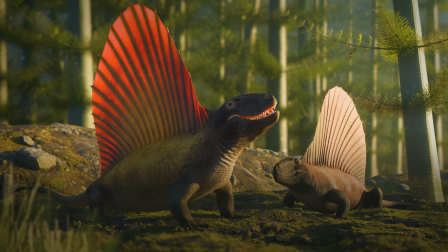
Around 300 million years ago sails were all the rage, but we're still not sure what they were for.

10:44
During the Permian Period many tetrapods, or four-limbed vertebrates, took to life in the trees.

9:29
For millions of years after the Great Dying microbes ruled the Earth.

26:06
Life begins to rebound after the destruction of the mass extinction ending the Permian Period.

25:37
An apocalypse ended the Permian Period 252 million years ago, wiping out more than 80% of species.

25:37
An extinction in the Middle Permian decimates life, from a fossil reef to our ancient relatives.

25:37
The first herbivorous vertebrates evolve on the side of the amniote family tree leading to mammals.

25:37
Seed plants and amniotes adapt to dry climates, helping them thrive on Pangea in the Permian Period.

9:11
How did Homotherium evolve to be so successful? The answer may lie in the rise of the Tibetan plate.

10:16
The mystery of what non-flying dinosaurs were doing with their feathered wings has a new hypothesis.

11:45
What did ancient people once know about these bizarre megafauna that we’ve since forgotten?